
Antioxidant Science
Quick Enquiry
Expert Guidance Awaits
What Is Glutathione & Why Is It Called the Master Antioxidant?
Glutathione is a naturally occurring antioxidant found in every cell of the body. It plays a key role in managing oxidative stress.
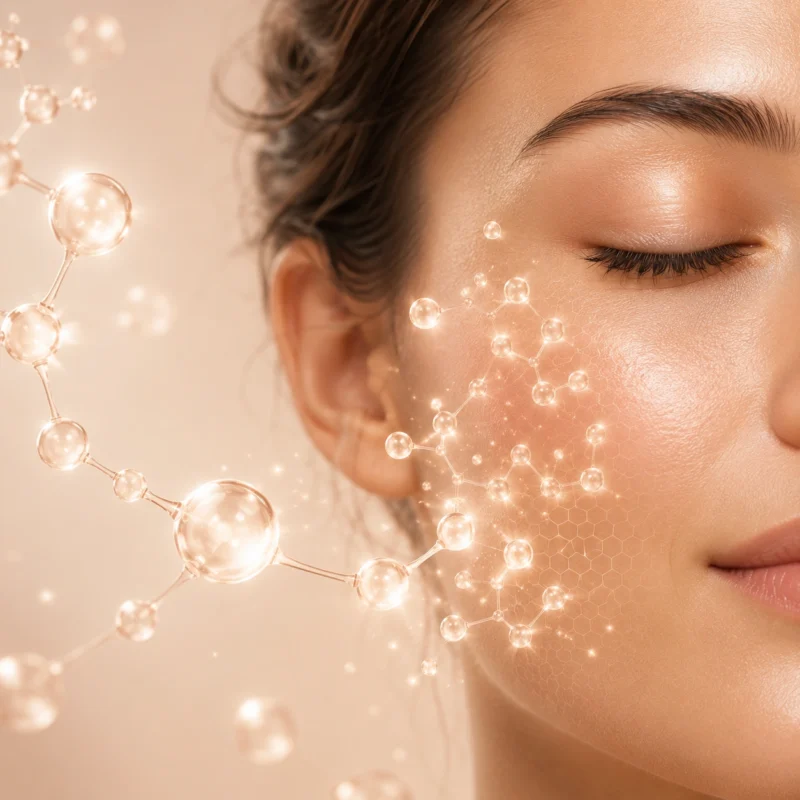
Our body constantly deals with molecules called free radicals that can contribute to oxidative stress. To maintain balance, the body relies on a network of antioxidant compounds. Glutathione is one of the major antioxidants in this system.
The body generates glutathione, which is found in all of the body’s cells. It has several roles related to antioxidant protection, cellular processes, and the body’s natural metabolic functions. Because of its broad involvement in antioxidant activity, it is often described as the “master antioxidant.”
But what exactly makes glutathione different from other antioxidants? Let’s understand its role and why it has become a popular topic in nutrition and wellness.
What Exactly Is Glutathione?
Cysteine, glutamic acid, and glycine are the three amino acids that make up the naturally occurring substance glutathione. Unlike some nutrients that must come entirely from the diet, the body can manufacture glutathione on its own.
It is found inside cells and is particularly important for maintaining the body’s internal antioxidant balance.
Glutathione exists in different forms and participates in several biochemical reactions. Its availability can be affected by factors such as nutritional status, age, lifestyle, and the body’s overall condition.
Why Is It Known as the “Master Antioxidant”?
The phrase “master antioxidant” is commonly used because glutathione does more than simply act as an antioxidant itself.
It is part of a larger antioxidant network within the body. Glutathione can participate in reactions that help neutralise reactive compounds and also plays a role in maintaining other antioxidant systems.
For example, it is involved in processes associated with vitamins C and E. This interconnected activity helps explain why glutathione is often given a special place when discussing the body’s natural antioxidant defence.
What Role Does Glutathione Play?
Glutathione is involved in several normal biological processes.
Helps Maintain Antioxidant Balance
Cells naturally produce reactive molecules during normal metabolic activity. Glutathione is one of the compounds involved in managing these molecules and maintaining an appropriate cellular balance.
Participates in Liver Processes
The liver uses glutathione in various biochemical reactions. It is involved in pathways that help the body process certain compounds and supports normal cellular protection within the liver.
However, this should not be confused with claims that taking a glutathione product can “cleanse” or detoxify the body instantly. The liver and kidneys already perform complex detoxification functions naturally.
Supports Other Antioxidants
Glutathione interacts with the body’s broader antioxidant network. Its involvement in antioxidant recycling is one reason it is considered an important part of the body’s protective mechanisms.
Contributes to Cellular Protection
Maintaining the right cellular environment is essential for normal body functions. Glutathione participates in reactions that help cells deal with oxidative challenges and maintain normal internal conditions.
Glutathione and Healthy Skin
Glutathione is frequently discussed in the beauty and skincare space because antioxidant activity is relevant to maintaining healthy-looking skin.
Everyday factors such as sunlight, environmental exposure, lifestyle, nutrition, and ageing can influence the appearance of skin over time. Antioxidants form part of the body’s natural defence against oxidative stress associated with these factors.
However, skin health cannot be attributed to one nutrient alone. A consistent skincare routine, sun protection, balanced nutrition, adequate hydration, sufficient sleep, and healthy lifestyle habits all have a role to play.
How Can You Support Your Body's Natural Glutathione Production?
Since the body can make glutathione, maintaining good nutritional and lifestyle habits can help provide the building blocks needed for normal production.
Include Adequate Protein
Protein-rich foods provide amino acids required for the production of many proteins and compounds in the body. Depending on dietary preferences, options can include eggs, dairy, legumes, fish, lean meat, nuts, and seeds.
Add Colourful Fruits and Vegetables
A varied diet provides vitamins, minerals, and other plant compounds that contribute to overall nutritional health. Include foods such as leafy greens, berries, citrus fruits, tomatoes, peppers, and other vegetables.
Include Sulfur-Containing Foods
Certain foods, including garlic, onions, broccoli, cabbage, and other cruciferous vegetables, contain sulfur-containing compounds that are relevant to normal cellular processes.
Maintain Healthy Daily Habits
Regular physical activity, adequate sleep, hydration, and avoiding smoking can support overall health. These habits are more meaningful as part of a consistent routine than as quick fixes for antioxidant levels.
Are Glutathione Supplements Necessary?
Glutathione is naturally produced by the body, so supplementation is not automatically necessary for everyone.
Some people may consider supplements as part of their nutritional routine, but the choice should depend on individual circumstances. Always review the ingredient list, serving size, formulation, and recommended usage before taking a supplement.
If you are pregnant or breastfeeding, take regular medication, or have a medical condition, it is advisable to consult a qualified healthcare professional before adding a new supplement to your routine.
It is also important to remember that taking more of a supplement does not necessarily provide greater benefits. Appropriate intake depends on the individual and the specific product.
FAQs
What is glutathione made of?
Glutathione is a compound formed from three amino acids: cysteine, glutamic acid, and glycine.
Why do people call glutathione the master antioxidant?
The term refers to its broad involvement in the body’s antioxidant system. Glutathione can participate in antioxidant reactions and interact with other antioxidant compounds.
Does the body naturally make glutathione?
Yes. The body can produce glutathione using amino acids obtained through normal metabolic and nutritional processes.
Is glutathione related to skin health?
Glutathione contributes to antioxidant defence, which is one component of maintaining healthy skin. However, skin appearance is influenced by many factors, including genetics, UV exposure, nutrition, sleep, and skincare habits.
Which foods support natural glutathione production?
A varied diet containing adequate protein and nutrient-rich foods can provide components needed for normal glutathione production. Foods such as garlic, onions, broccoli, cabbage, and other vegetables can be included as part of a balanced diet.